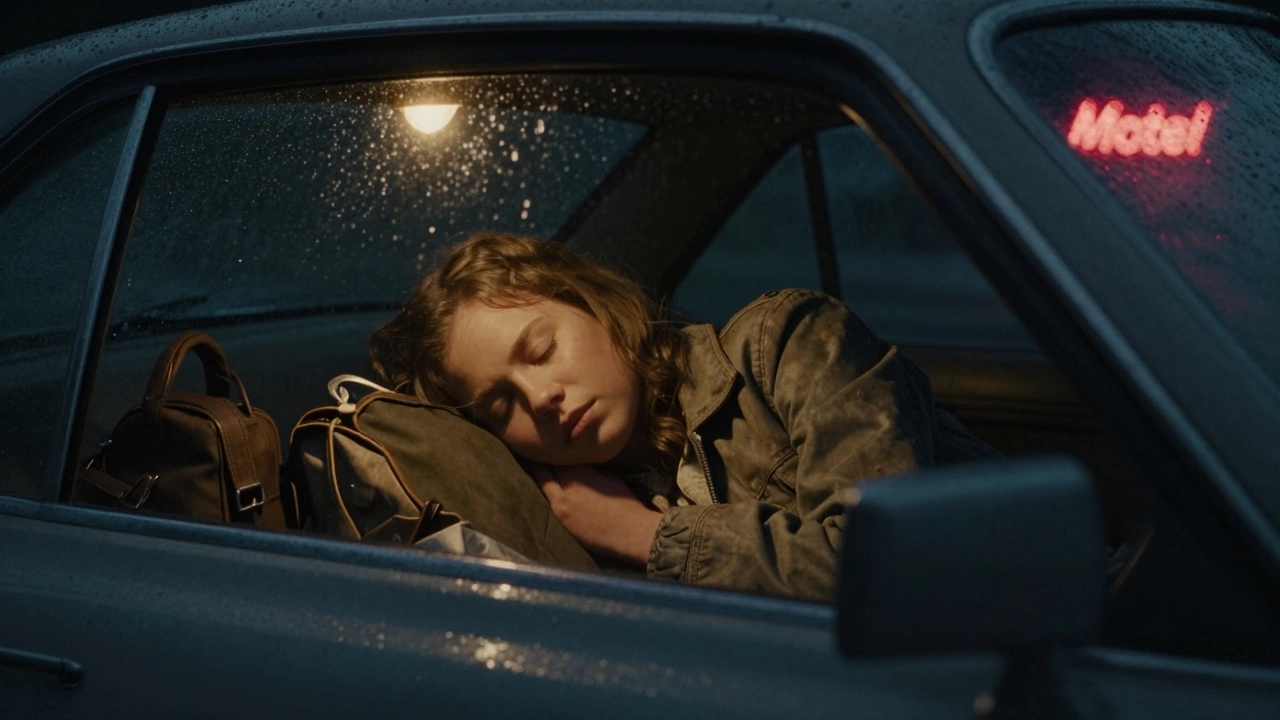
Aileen Wuornos didn’t start out as a monster. She started out as a girl who slept in her car at 13, traded sex for food, and ran from men who hurt her. By the time she was 33, she was on death row, convicted of killing seven men in Florida between 1989 and 1990. The media called her the first female serial killer in modern American history. But the truth? It’s messier than the headlines. She was a victim long before she became a killer.
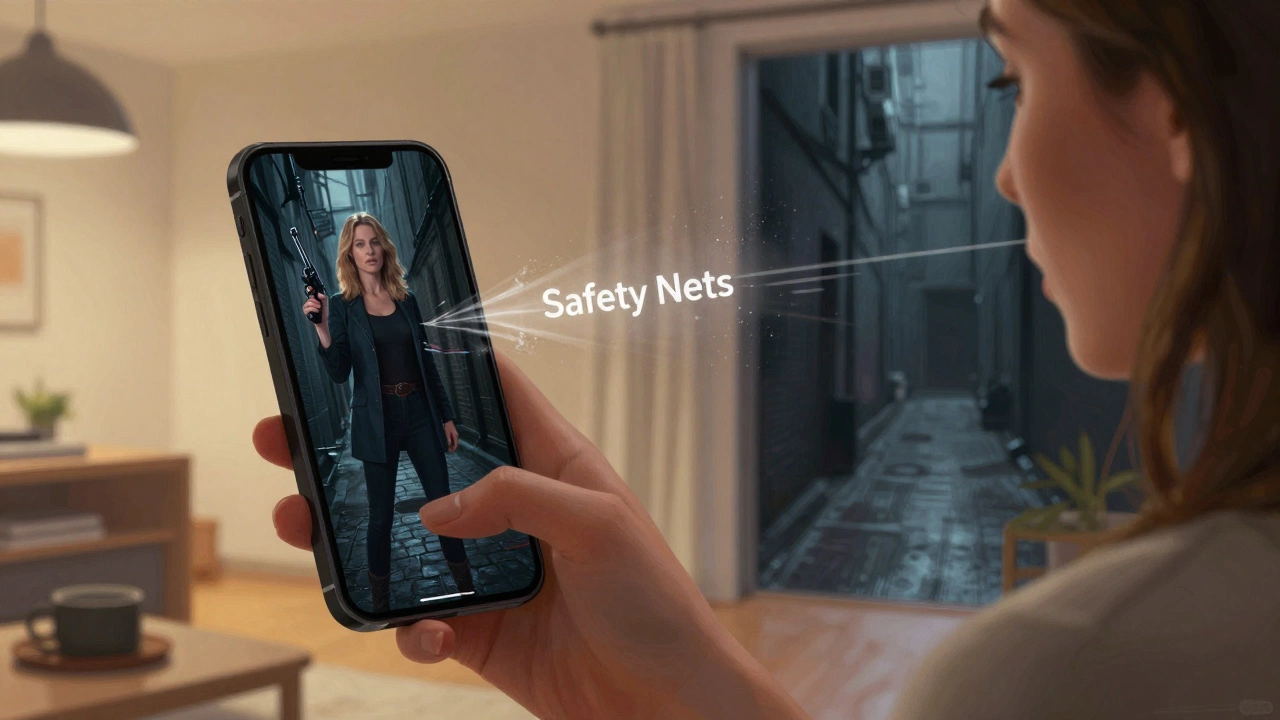
There’s a strange kind of irony in how society treats women like her - the ones who survive by selling their bodies. You can scroll through sites like eurogirlsescort london today and see women advertising companionship in cities across Europe, some of them just trying to pay rent or get out of debt. The difference between them and Wuornos? One group has choices, safety nets, and legal protection. The other had none. Wuornos didn’t choose prostitution as a career. She chose it because the world gave her nothing else.
Her Life Before the Killings
Aileen Wuornos was born in 1956 in Rochester, Michigan. Her father was a convicted child molester who killed himself in prison before she was born. Her mother abandoned her when she was three. She was raised by her grandparents, who were abusive and controlling. By age 11, she was being sexually assaulted by relatives. By 13, she was running away. She worked as a street prostitute in Florida and Georgia, sometimes with her teenage boyfriend, who later turned her in to police.
She was arrested over 20 times - for prostitution, theft, and disorderly conduct. She spent time in mental institutions. She was diagnosed with borderline personality disorder, depression, and possible PTSD. No one ever treated her trauma. No one ever offered her real help. Instead, she was locked up, ignored, or laughed at.
The Killings: Self-Defense or Serial Murder?
Wuornos claimed all seven men tried to rape or assault her. She said she shot them in self-defense. Her first victim, Richard Mallory, was a local man she met while hitchhiking. She said he beat her, robbed her, and threatened to kill her. She shot him once in the head. Then she did it again. And again. Each time, she told police the same thing: he came at her. Each time, no one believed her.
Her trial was a circus. The prosecution painted her as a cold-blooded killer who targeted lonely men for their money. They ignored her history of abuse. They didn’t bring up the fact that three of the men had criminal records for sexual assault. They didn’t mention that one victim had been arrested for indecent exposure just weeks before his death. The jury didn’t hear how she was once offered $10,000 to lie about her crimes - and refused.
Her defense team was underfunded and overwhelmed. Her lawyer didn’t call a single witness to testify about her past. The media called her a lesbian monster. Tabloids ran headlines like “The Whore Who Killed for Thrills.” No one asked why a woman who’d been abused since childhood would suddenly start killing men who looked like her abusers.

The System That Failed Her
Wuornos didn’t kill because she was evil. She killed because she was desperate, terrified, and alone. She had no family, no money, no access to therapy, and no one to turn to. She lived on the edge of society, where women like her are invisible until they become headlines.
Compare her to the women working today as escorts in cities like London. Some use platforms like eu escort london to screen clients, set boundaries, and work in safer environments. Others work independently, using apps to avoid street-level dangers. They have lawyers, safety tips, and sometimes even unions. Wuornos had none of that. She had a .38 revolver and a lifetime of pain.
Her case wasn’t about justice. It was about control. Society couldn’t handle a woman who fought back - especially one who had once sold her body for survival. So they made her the villain.
What Changed After Her Death?
Aileen Wuornos was executed by lethal injection on October 9, 2002. She was the first woman executed in Florida since 1984. Her last words were: “I’ll be back like James Dean.”
Nothing changed after she died. The same systems that failed her still operate today. Women in poverty still trade sex for survival. Men who prey on them still walk free. The legal system still treats female sex workers as criminals, not victims.
There are organizations now that help women exit prostitution - groups like SWOP (Sex Workers Outreach Project) and the Global Network of Sex Work Projects. But they’re underfunded and often ignored by lawmakers. In many places, it’s still illegal to even talk about sex work without being labeled a criminal.
Wuornos’s story isn’t just about murder. It’s about how society turns the most vulnerable into monsters - then celebrates their destruction.
Her Legacy
Cher made her famous with the movie Monster in 2003. Charlize Theron won an Oscar for playing Wuornos. The film showed her pain, her fear, her humanity. But even that movie didn’t change the law. It didn’t fix the system. It just made people cry for an hour.
Today, you can find documentaries, podcasts, and books about her. Some call her a hero. Others call her a monster. The truth? She was a woman who survived decades of abuse, then snapped under the weight of it all.
There’s another side to this story - the one no one talks about. The women still on the streets. The ones who don’t get movies made about them. The ones who still get arrested for solicitation while their abusers walk free. They’re still out there. And they’re still being ignored.
Wuornos didn’t ask to be remembered as a killer. She asked for help. And the world said no.
Now, you can find women advertising services online under names like elite escort london. Some of them have degrees. Some have kids. Some are running from bad relationships. They’re not so different from Aileen Wuornos - except they have phones, Wi-Fi, and the ability to say no. That’s the only real difference.
Maybe one day, society will stop punishing the victims and start punishing the predators. Until then, Aileen Wuornos will remain a warning - not about evil women, but about a world that lets women become monsters because it refuses to see them as human.